The Sound of Silence, the Taste of Turin: What Tennis Reveals About a City
ATP Finals Turin 2026: Tennis, Culture & the Soul of the City
As the ATP Finals return to Turin, we explore an unexpected connection between the rituals of world-class tennis, the psychology of belonging, and a city where some of life’s most memorable moments happen away from the spotlight.
Turin, 15–22 November 2026 | Nitto ATP Finals
There is a peculiar moment in tennis that almost never occurs in other sports.
Thousands of people fall completely silent.
A player bounces a ball. Once. Twice. Perhaps five times. The crowd holds its breath. For a few seconds, an entire stadium agrees to respect one person’s concentration.
And then, with the crack of a racket, the silence explodes.
It is a fascinating social ritual when you think about it. Thousands of strangers, from different countries and cultures, momentarily behaving as one.
This November, that ritual returns to Turin.
From 15 to 22 November 2026, the world’s tennis elite gather at the Inalpi Arena for the sixth consecutive Turin edition of the Nitto ATP Finals.
But beyond the matches, the rankings and the familiar excitement surrounding the world’s finest players, something equally interesting is happening.
An international sporting event is quietly changing the social rhythm of an Italian city.
And Turin, perhaps more than most cities, has an intriguing way of responding.
1. The Curious Social Theatre of Tennis
Tennis is a sport of contradictions.
It is fiercely individual, yet depends entirely on another person. It demands aggression, but celebrates etiquette. It is played within rigid boundaries, yet its greatest moments emerge from extraordinary improvisation.
Unlike football, where emotions often erupt collectively, tennis has historically cultivated a particular relationship between restraint and release.
Even the audience has a role to perform.
When to remain silent. When to applaud. When to stand. When to respect an opponent’s achievement.
In anthropological terms, a tennis stadium becomes a temporary community, united not by nationality or language, but by shared rules and emotional expectations.
And perhaps this explains why tennis spectators often develop such powerful attachments to the places where tournaments are held.
They are not simply watching a competition.
They are participating in a ritual.
2. From Royal Courts to Modern Arenas: Tennis Has Always Been About More Than Sport
Long before tennis became a global television spectacle, its ancestor, jeu de paume, was played in enclosed courts across Europe.
The game was associated with aristocratic culture, although its history extends well beyond royal circles.
Even the scoring system carries traces of this curious past.
Why does tennis count 15, 30 and 40 rather than 1, 2 and 3?
The precise origin remains debated. One popular explanation connects the numbers to divisions of a clock face, although historians have never conclusively established this theory.
And then there is love.
The most romantic explanation suggests that the tennis term for zero derives from the French l’œuf, meaning egg, because of its resemblance to the number zero.
It’s a charming story, even if the etymology is disputed.
What matters is that tennis has carried its peculiar vocabulary across centuries, languages and social classes.
Its rituals have survived extraordinary cultural transformations.
A game once associated with European courts now brings together athletes and spectators from around the world.
And in Turin, that history encounters another city deeply shaped by royal traditions, social etiquette and changing ideas of elegance.

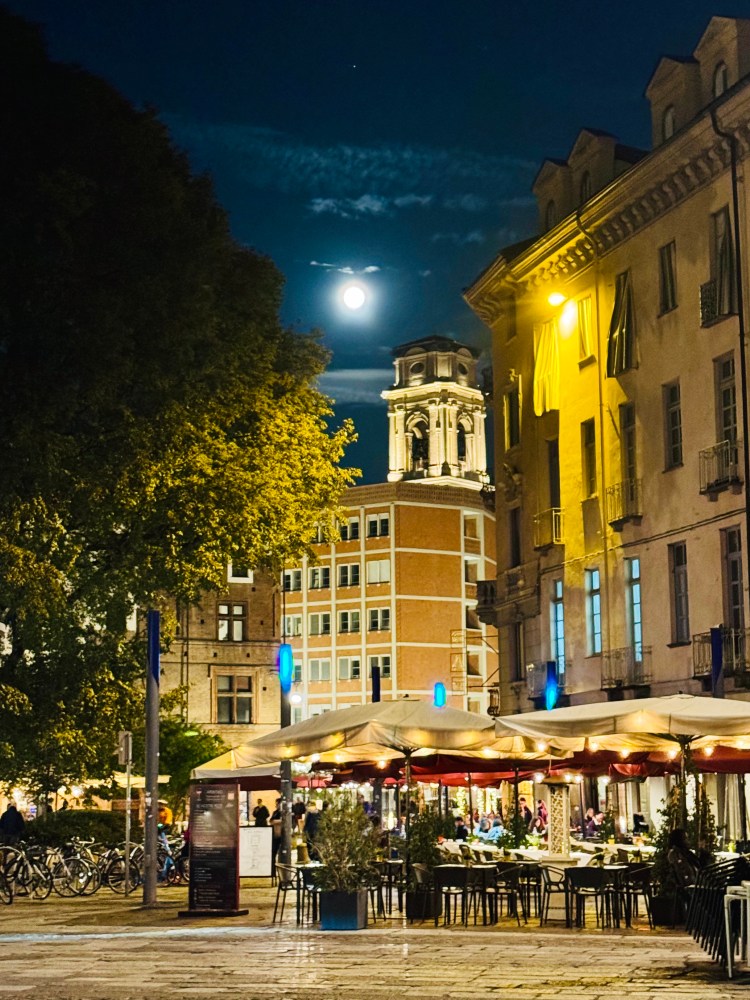
Turin, Italy at Piazza San Carlo during twilight.
3. Why Turin Is Such an Interesting Host
Turin is not a city that immediately reveals everything about itself.
Unlike some Italian destinations, it rarely insists on being admired.
Its beauty is often architectural, intellectual and quietly theatrical.
Under the long porticoes, conversations unfold over espresso. Behind elegant façades, historic cafés preserve rituals inherited from earlier generations. At the market, the city’s social identity becomes louder, more spontaneous and wonderfully unpredictable.
Turin understands something that tennis understands too:
There is a difference between spectacle and sophistication.
The city’s history is full of carefully choreographed social encounters.
Consider the historic cafés, where the simple act of drinking coffee became intertwined with politics, intellectual debate and social identity.
Or the tradition of the merenda reale, a refined afternoon ritual associated with the Savoy court, involving chocolate and sweet delicacies.
These were never merely occasions to eat.
They were ways of expressing belonging, hospitality and status.
Today, the rituals have become more democratic, but the underlying human need remains remarkably similar.
We gather around tables because food gives us permission to connect.
And during the ATP Finals, that connection becomes especially visible.
A table might bring together Italian supporters, American visitors, Dutch tennis enthusiasts and curious travellers who had never imagined visiting Turin before.
Different languages. Different histories.
One shared moment.
4. The City That Learned to Reinvent Itself
There is another reason the ATP Finals belong in Turin’s contemporary story.
For much of the twentieth century, Turin’s international identity was closely tied to industry, particularly the automobile.
The city was associated with factories, engineering, productivity and the discipline of industrial life.
But cities, like athletes, must occasionally reinvent themselves.
The transformation of Turin accelerated around the 2006 Winter Olympics, when the city presented a different image to the international public.
Interestingly, the Inalpi Arena, where the ATP Finals are played today, was originally built for those Olympic Games.
The same architectural space that once welcomed Olympic ice hockey now hosts some of the world’s finest tennis players.
It is a beautiful example of how cities reuse their physical spaces to tell new stories about themselves.
In 2025, the ATP Finals attracted a record 229,879 spectators, and Turin has now been confirmed as host through 2027.
Yet the significance of such events cannot be measured solely through visitor numbers.
A major international tournament can influence how residents see their own city, how visitors remember it, and how local businesses participate in a changing urban identity.
The stadium becomes a meeting point between global attention and local everyday life.
And that is where things become especially interesting.
5. The Other Match: What Happens After the Applause?
Imagine two visitors leaving the arena after an extraordinary evening match.
They have watched athletes perform under immense pressure. They have experienced the suspense of a deciding set. They have applauded, celebrated, perhaps even disagreed about a controversial point.
Now the match is over.
What happens next?
They return to a city where another kind of performance has been perfected over centuries.
A bartender prepares a vermouth with practiced precision.
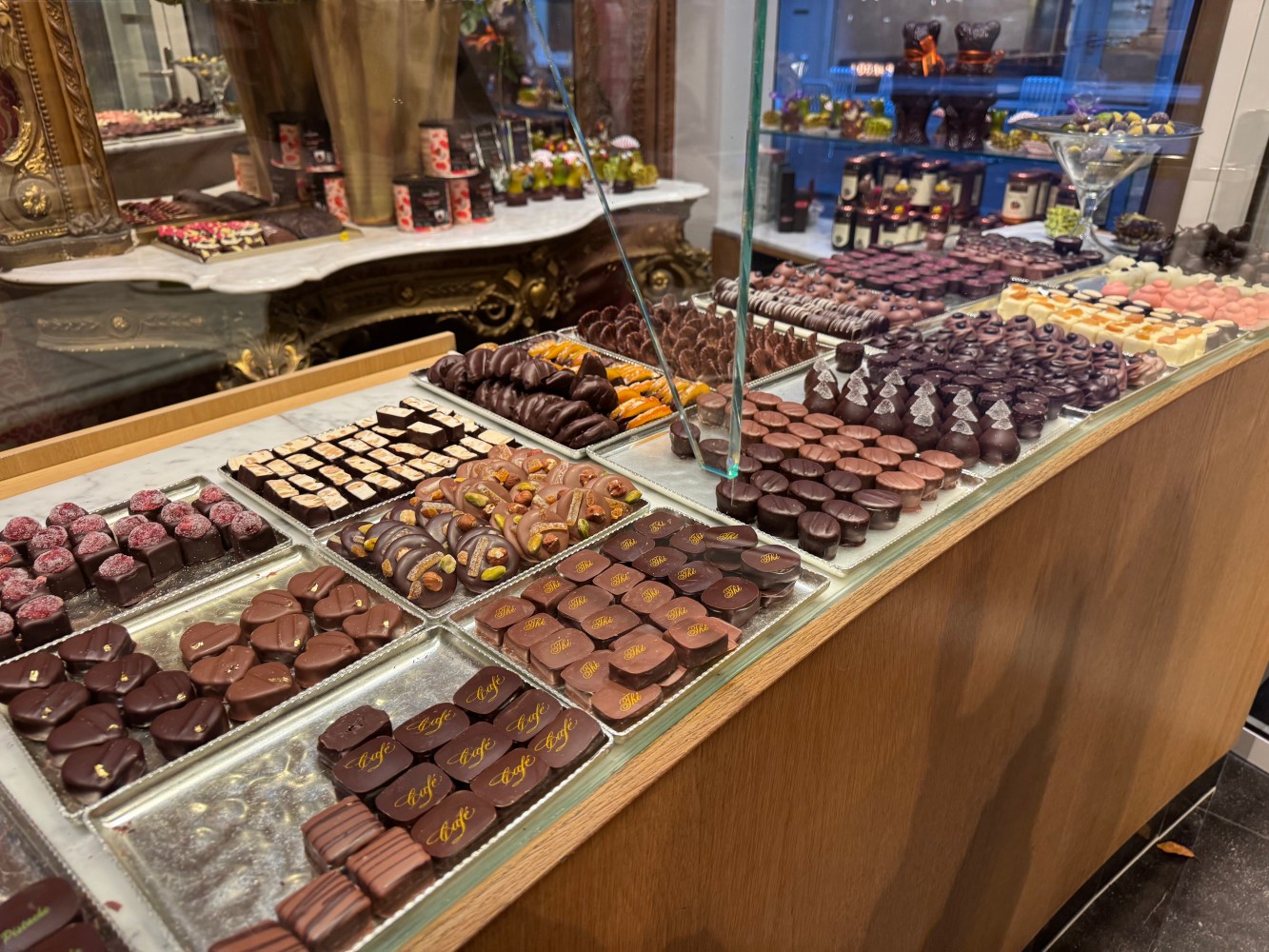
A chocolatier explains why Piedmontese hazelnuts became central to the region’s confectionery identity.
A cook transforms a handful of traditional ingredients into something that tells a story about family, memory and territory.
Nobody is competing.
There is no scoreboard.
And yet, there is still craftsmanship, concentration, repetition and pride.
A chef and a tennis player may inhabit very different worlds, but both understand the importance of preparation and timing.
The difference?
At the table, sharing is the point.
Perhaps that is precisely what makes Turin such an enjoyable destination during the tournament.
Inside the arena, the world comes together to celebrate competition. Outside, the city invites everyone to celebrate connection.

6. A Little Tennis Anecdote: Why Losing Isn’t Always the End
One of the most unusual characteristics of the ATP Finals is its format.
Unlike most major tennis tournaments, where a single defeat means elimination, the Finals begin with a round-robin competition.
Eight singles players are divided into two groups. Each plays three group matches, and the two best performers from each group advance to the semi-finals.
This means a player can lose a match and still become champion.
It is a surprisingly philosophical arrangement.
Success is not necessarily defined by avoiding failure.
Sometimes it depends on how one responds to it.
For spectators, this also creates a different atmosphere. A disappointing result does not automatically end a player’s story, and the relationships between matches become part of the drama.
In a way, the format challenges one of sport’s most familiar narratives: that every defeat is final.
And perhaps there is a lesson here that extends well beyond tennis.
Cities reinvent themselves. Traditions evolve. People adapt.
What matters is not always the first result, but what comes next.
7. The Unwritten Rules of Italian Hospitality
Every culture has its own ideas about what makes a good host.
In some societies, efficiency and punctuality dominate.
In others, generosity is measured by the abundance of food or the amount of time spent together.
Italian hospitality often operates through something more subtle: the ability to make an ordinary encounter feel personal.
A recommendation offered without being asked.
A small conversation about a family recipe.
An extra moment spent explaining why a particular wine belongs to a particular landscape.
These gestures are rarely spectacular.
But they are often the details travellers remember most vividly.
At I Eat Food Tours & Adventures, this is the side of Turin we love sharing.
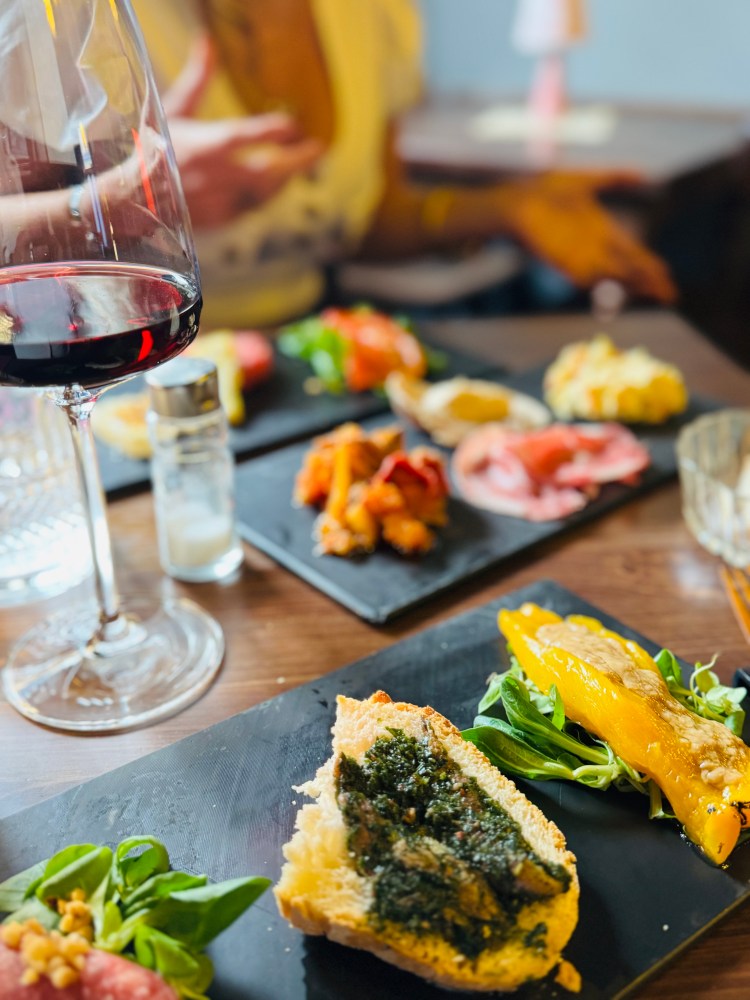
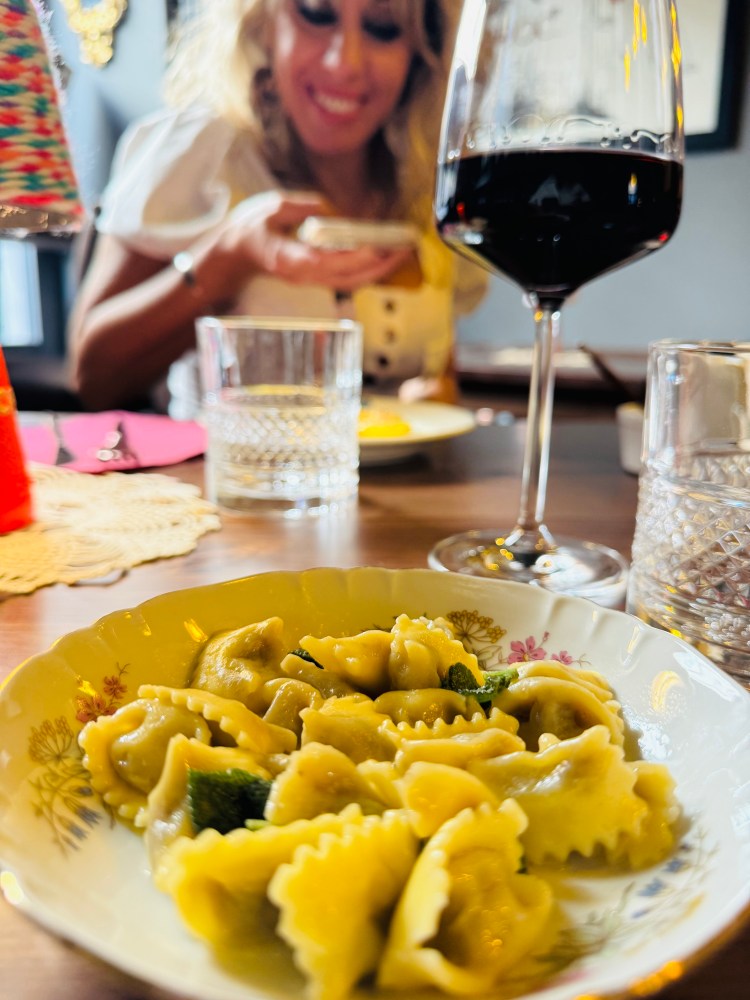
Our chef-led culinary experiences are built around discovering the people, traditions and flavours that give the city its identity.
Not simply moving from one tasting to another, but understanding why those tastes matter.
Why chocolate became such an important part of Turin’s cultural history.
Why vermouth belongs to the city’s social imagination.
Why markets remain places of negotiation, identity and human connection.
And why a meal can sometimes reveal more about a city than an entire afternoon of sightseeing.
During the ATP Finals, when international visitors bring their own cultures and expectations to Turin, these encounters become even more rewarding.
Because discovering a city is not about collecting attractions.
It is about finding moments that make you feel, however briefly, that you belong.
8. Beyond the Final Point
On 22 November, the tournament will reach its conclusion.
There will be a champion, a trophy, photographs and celebrations.
Eventually, the international spotlight will move elsewhere.
But Turin will continue its familiar rituals.
Coffee cups will meet marble countertops.
Market vendors will arrange their produce.
Friends will gather beneath the porticoes.
Chocolatiers will open their doors, and the city’s restaurants will prepare for another evening of conversation.
Perhaps that is the most intriguing relationship between a global sporting event and its host city.
The tournament offers an extraordinary moment.
The city offers continuity.
And the best journeys allow us to experience both.
So, if you are visiting Turin for the ATP Finals this November, enjoy the matches, the suspense and the extraordinary talent on court.
But leave a little room for something unexpected.

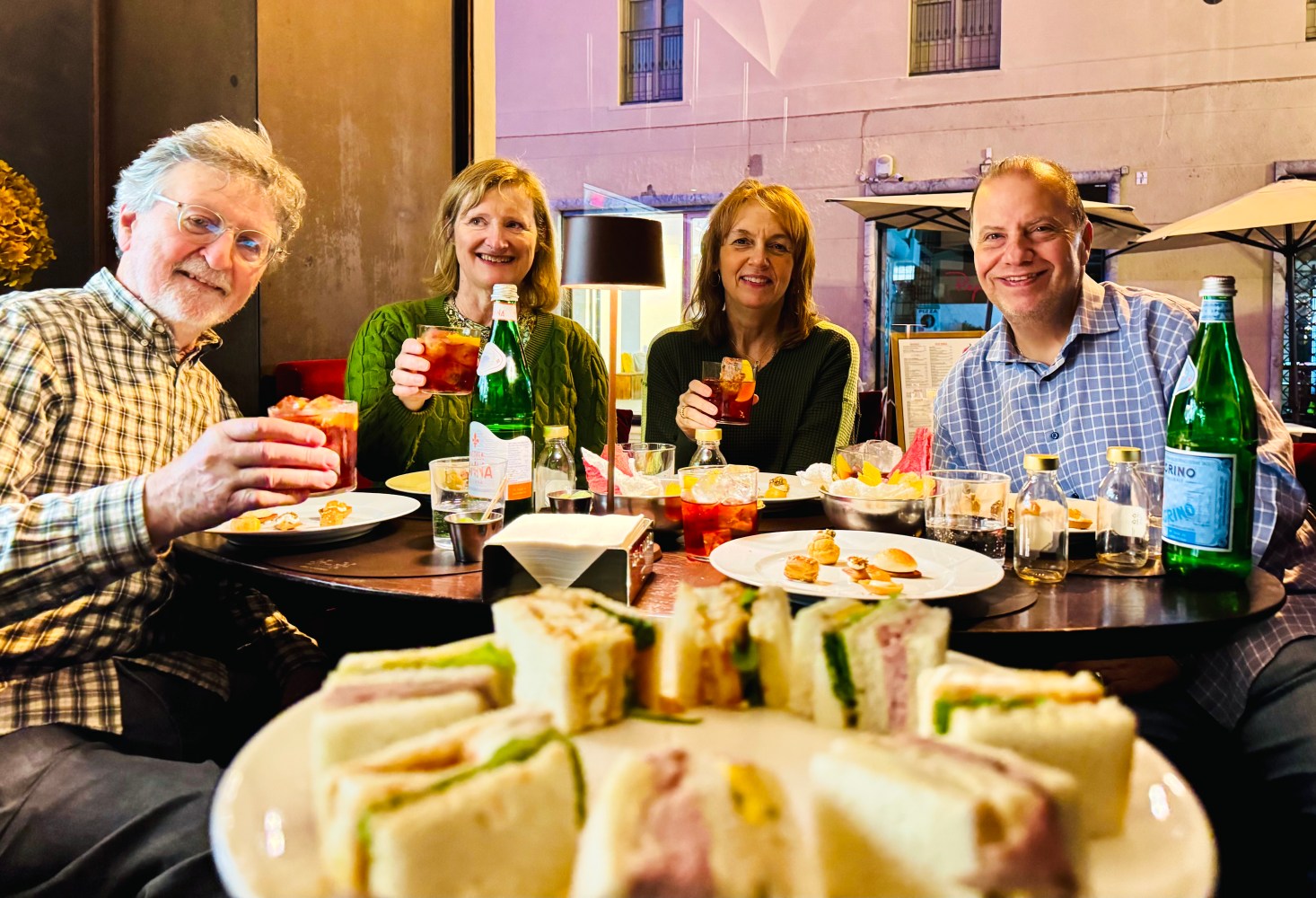
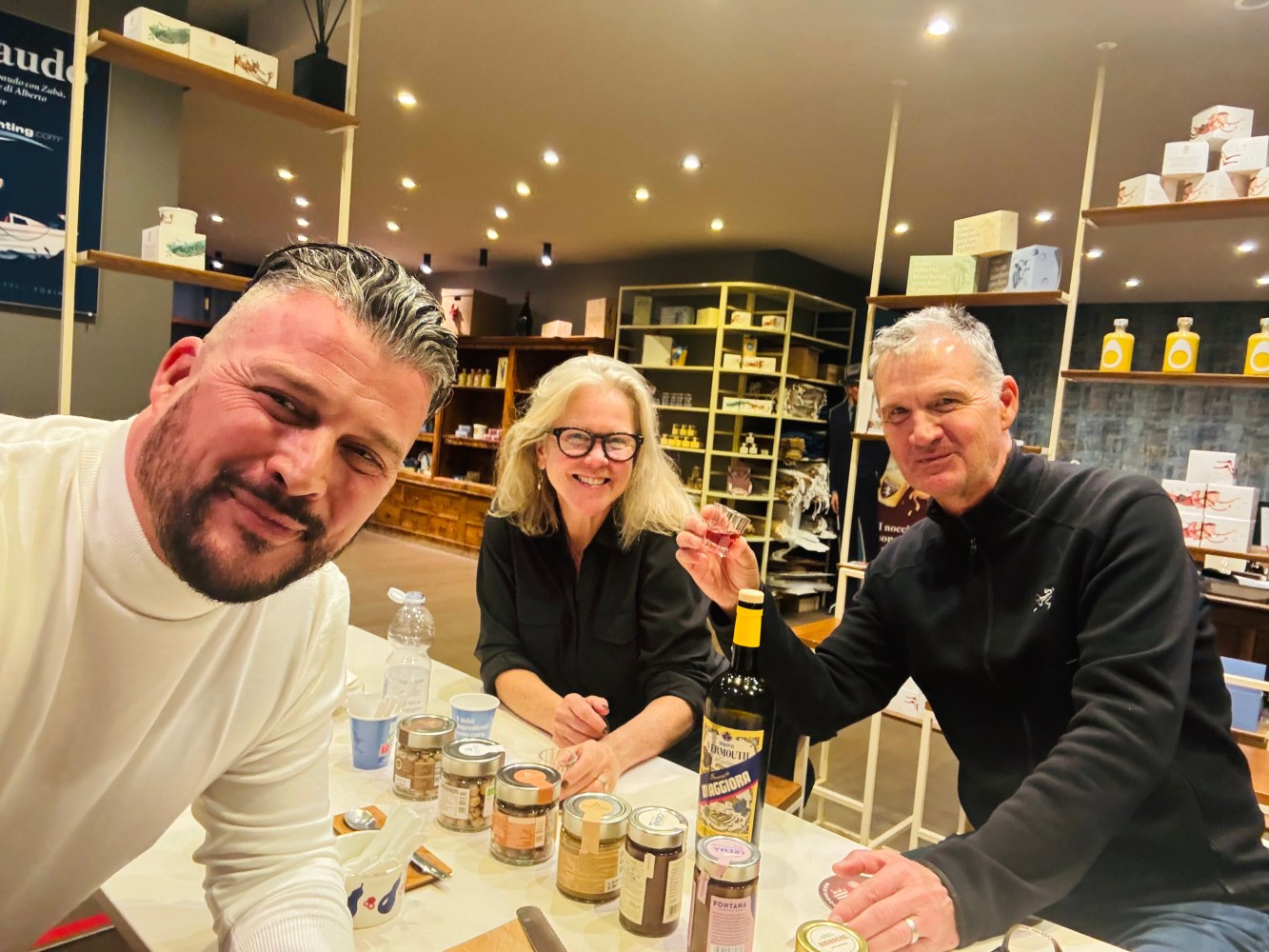
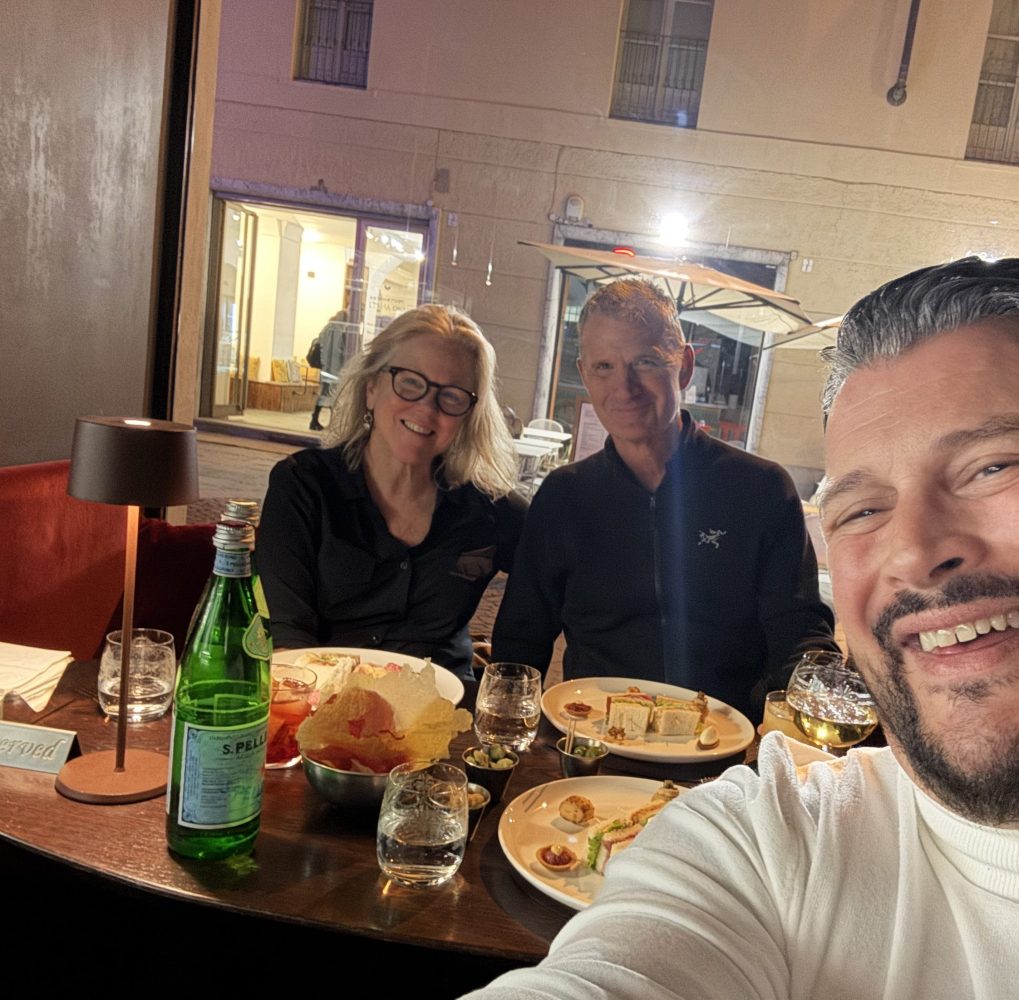
A conversation with a local.
A glass of Piedmontese wine.A chocolate tradition you had never heard of.
A table where the evening lasts longer than planned.
Because sometimes the most memorable part of a tennis trip happens long after the final point.
And in Turin, we know a thing or two about making those moments count.
Discover Turin Beyond the Tennis Court
Join I Eat Food Tours & Adventures for an intimate, chef-led journey through the flavours, traditions and people of Turin. From historic chocolate rituals to gourmet street food, local wines and memorable conversations, discover the city through the people who call it home.
The tennis may bring you to Turin. Let the city give you a reason to return.
ABOUT THE AUTHOR
Cecilia Puca is an Italian sociologist, entrepreneur and cultural storyteller based in Turin, Italy.
As co-founder of I Eat Food Adventures, she has spent years introducing international visitors to the authentic culinary traditions, cultural heritage and everyday lifestyle of Turin and Piedmont.
Her background in sociology, combined with extensive experience in hospitality, international guest relations and personalised experiences, has shaped her people-centred approach to professional services.
Building on the relationships developed with international visitors and homeowners, Cecilia has expanded her work into Home Setup & Coordination, offering personalised local assistance to individuals and families establishing a home, second residence or part-time lifestyle in Turin.
Her philosophy is rooted in trust, human connection, cultural understanding and the belief that feeling at home in another country begins with having the right people by your side.
Turin, Italy | Cultural Experiences • International Hospitality • Home Setup & Coordination
© 2026 Cecilia Puca. All rights reserved.
Original article authored by Cecilia Puca. Unauthorised reproduction, republication, distribution or commercial use of this content, in whole or in substantial part, is prohibited without prior written permission.
Brief quotations may be used with appropriate attribution and a link to the original article, where permitted by applicable copyright law.