Terra Madre Salone del Gusto 2026 in Turin: Food Is Never Just Food
Terra Madre Salone del Gusto 2026 in Turin: Food Is Never Just Food
From 24 to 27 September 2026, Terra Madre Salone del Gusto returns to the heart of Turin. But calling it a food festival has always felt slightly reductive to us. Because at Terra Madre, food is never just food. It is identity, memory, territory, politics, pleasure… and, perhaps most importantly, human connection.
There are food events where you go to taste things.
And then there is Terra Madre Salone del Gusto.
For four days, Turin becomes something closer to a huge living dining table: producers, farmers, cooks, artisans, activists, researchers and curious eaters from all over the world meet in the streets and historic piazzas of the city.
The 2026 edition-the sixteenth-takes place from 24 to 27 September in central Turin, with hundreds of events and a market bringing together hundreds of producers from Italy and abroad. It also comes in a symbolic year: Slow Food celebrates its 40th anniversary. (Terra Madre Salone del Gusto 2026)
But numbers aren’t really what makes Terra Madre interesting.
People are.
A tomato is never only a tomato
This is perhaps the sociologist in me speaking.
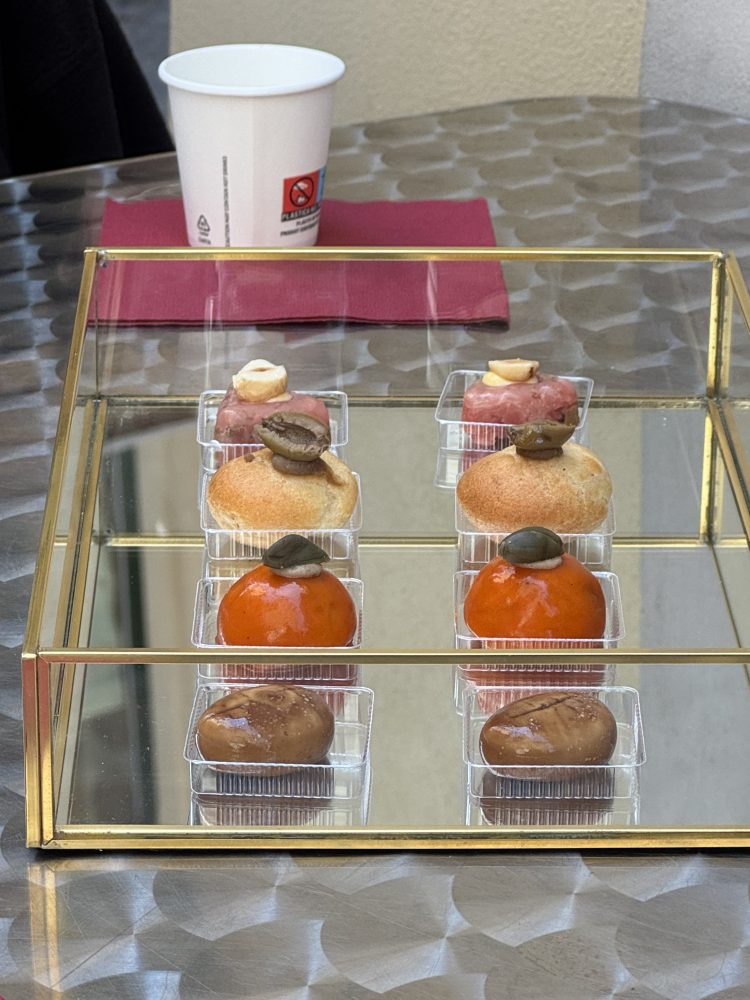
Put the same tomato in a supermarket, in a farmer’s hands, on a grandmother’s kitchen table or in a Michelin-starred restaurant, and technically it remains a tomato.
Socially, however, it becomes four completely different things.
Food carries stories about class, family, migration, geography, work, rituals and belonging. We use it to welcome strangers. We cook certain dishes when somebody dies and others when somebody gets married. We preserve recipes because they remind us where we come from. We reject foods, rediscover them, make them fashionable, forget them and occasionally fight over who invented them first.
That is why Terra Madre feels different from an ordinary gastronomic fair.
It brings the invisible part of food back into view.
Biodiversity is also about people
The central theme of Terra Madre 2026 is biodiversity: biological, agricultural, gastronomic, but also cultural and social. Slow Food describes biodiversity not as something static to be preserved behind glass, but as something strengthened through exchange, diversity and interaction. (Slow Food)
And that distinction matters.
Because protecting biodiversity is not only about saving an obscure variety of bean, apple or cheese.
It also means protecting the farmer who knows how to grow it.
The landscape where it developed.
The technique used to transform it.
The dialect word used to describe it.
The family recipe that never made it into a cookbook.
And the small economy that allows all of those things to survive.
Remove enough of those connections and eventually we don’t just lose a product.
We lose a piece of culture.
Carlo Petrini and the radical idea of putting food back at the centre
This way of looking at food is inseparable from Carlo Petrini, founder of Slow Food and one of the people who radically changed the international conversation around gastronomy.
Long before sustainability became a fashionable word on restaurant menus, Petrini was talking about local economies, biodiversity, dignity for producers and what he called food communities.
His argument was deceptively simple: food had gradually become disconnected from the system of relationships that produces it. Bringing food back to the centre therefore meant bringing back the farmers, cooks, landscapes, knowledge and communities surrounding it. (Slow Food)
For us, this is personal too.
In 2018, just as we were launching the activities that would become I Eat Food Adventures, we had the privilege of meeting Carlo Petrini during the conference Dalla Terra alle Mani.
It was one of those encounters that stays somewhere in the back of your mind.
Not because somebody gives you a magic formula for working with food, there isn’t one, but because certain conversations make you reconsider what your work actually means.
For us, creating culinary experiences was never supposed to be simply about moving people from one tasting to another.
The interesting part is everything happening between those tastings.
This is also why we do food tours differently
When guests join us at I Eat Food Adventures, of course we want them to eat exceptionally well.
We are in Piedmont. Not eating well would almost require a deliberate effort.
But tasting a local cheese, for instance, without understanding the person behind it tells only half the story.
Drinking vermouth without knowing why Turin developed such a particular ritual around the aperitivo misses something.
Walking through a market without looking at who sells, who buys, who talks to whom and how neighbourhoods change means seeing products while missing the ecosystem around them.
This is why we have always preferred the idea of a culinary experience to a simple food tour.
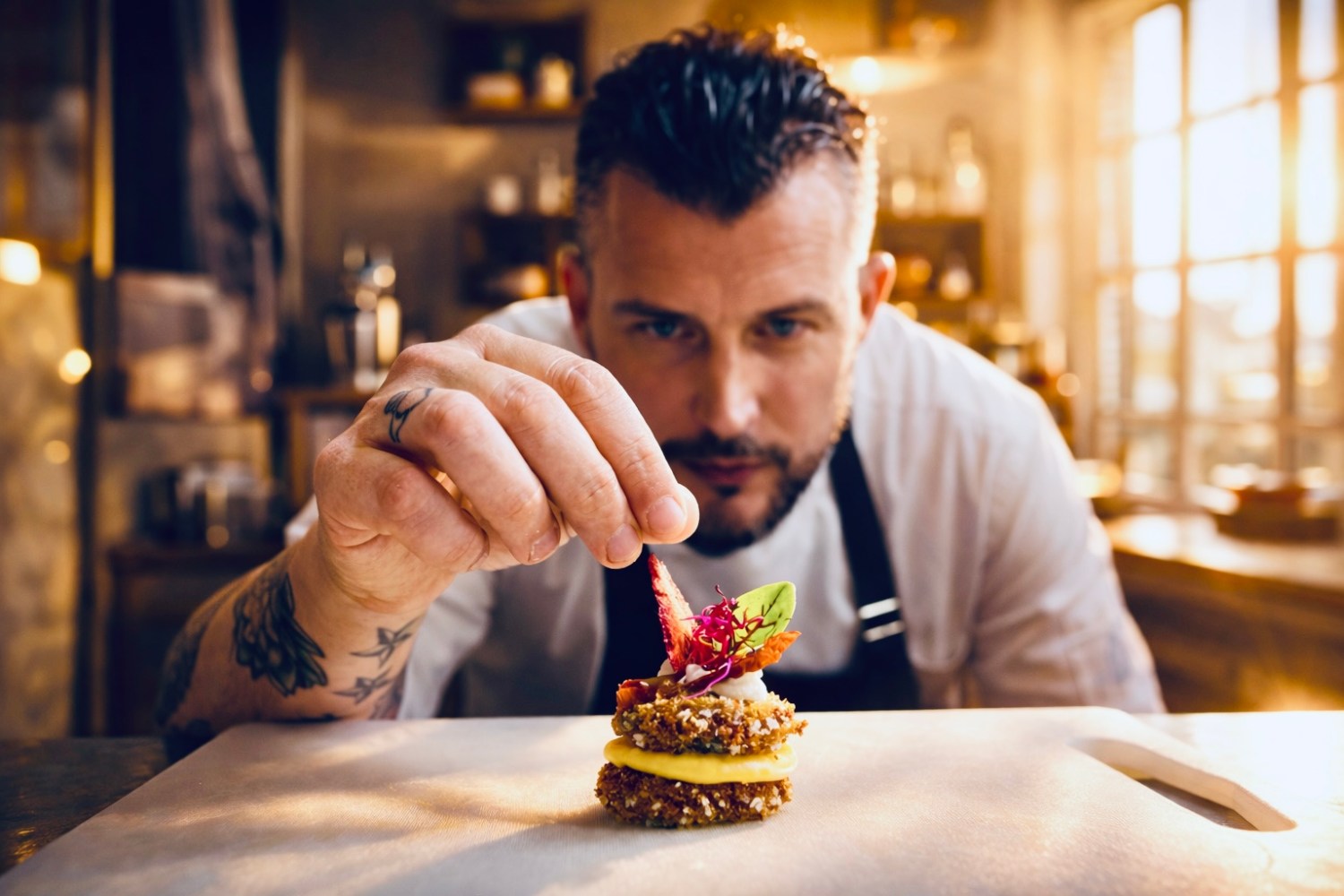
Chef Abram brings the perspective of someone who has spent decades inside professional kitchens; I inevitably bring my sociological curiosity.
Somewhere between the two, food becomes an excuse to understand Turin.
And people.
Turin is exactly where Terra Madre belongs
There is also something wonderfully appropriate about experiencing Terra Madre in Turin.
The 2026 edition spreads through some of the city’s most beautiful central spaces: including Piazza Castello, Piazza San Carlo, Piazza Carlo Alberto and Via Roma, rather than isolating food inside a conventional exhibition hall. (Slow Food)
The city itself becomes part of the conversation.
Visitors move between producers and palazzi, tastings and cafés, international communities and deeply Torinese rituals.
For a few days, you can taste something made thousands of kilometres away and, five minutes later, drink a vermouth in the city where the modern aperitivo ritual took shape.
Global and local stop being opposites.
They sit at the same table.
And perhaps that has always been the most interesting idea behind Terra Madre.
Come hungry. But not only for food.
If you are visiting Turin during Terra Madre Salone del Gusto 2026, absolutely come hungry.
Taste cheeses you’ve never heard of.
Ask producers uncomfortable amounts of questions.
Attend a workshop.
Drink something unexpected.
Buy something from a tiny producer and somehow manage to fit it into your suitcase.
But every now and then, stop eating for a moment and look around.
Look at the languages being spoken.
The hands explaining how something is made.
The people exchanging seeds, recipes, knowledge and stories.
Because Terra Madre’s greatest product has never really been something you can eat.
It is connection.
And in a world increasingly obsessed with consuming food, photographing food and ranking food, spending a few days remembering that food exists because people, places and ecosystems are connected to one another might be the most delicious thing Turin has to offer.
Terra Madre Salone del Gusto 2026
24–27 September 2026 | Turin, Italy
Visiting Turin during Terra Madre? I Eat Food Adventures explores the city through its markets, producers, cafés, traditional tables and contemporary food culture: always with plenty to taste, but never forgetting the people and stories behind the food.
Original content by I Eat Food Adventures.
Reproduction, republication or adaptation of this article, in whole or in part, is not permitted without prior written authorisation. Please contact I Eat Food Adventures for permissions or editorial use.