Beyond the Food Tour: Why Culinary Storytelling Is Changing the Way We Experience Cities
Beyond the Food Tour
There is a profound difference between guiding tourists and creating cultural experiences through food.
And perhaps this distinction matters now more than ever.
Over the past decade, food tourism has evolved globally from something relatively simple: eating local dishes while visiting a city into something far deeper, more emotional, more anthropological, and more human.
Food has become a language.
A doorway into identity.
Into memory.
Into migration.
Into class systems.
Into rituals.
Into design.
Into history.
Into belonging.
At I EAT Food Adventures, this philosophy has always existed at the center of what we create in Turin.
Not as a “tour.”
But as an immersive cultural encounter.
A Different Background Creates a Different Vision
The experiences created by co-founders Abram Stringa and Cecilia Puca were never born from traditional tourism structures.
Their approach emerged from a multidisciplinary intersection:
- gastronomy,
- sociology,
- hospitality,
- anthropology,
- storytelling,
- design,
- communication,
- and international culinary culture.

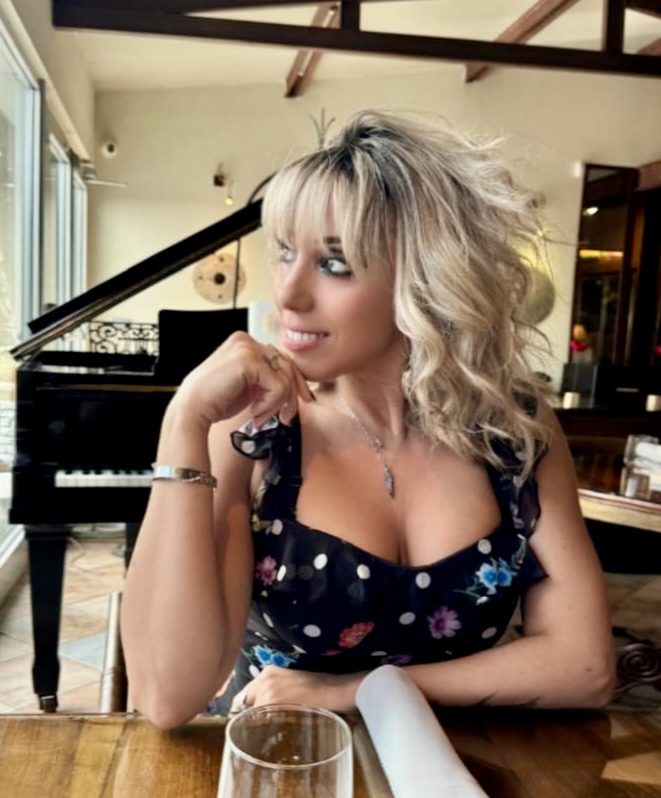
Cecilia’s background in sociology and communication, combined with years of studying human interaction through food culture, helped shape a vision where culinary experiences become tools for emotional and cultural connection.
Abram’s background developed differently, yet complementary.
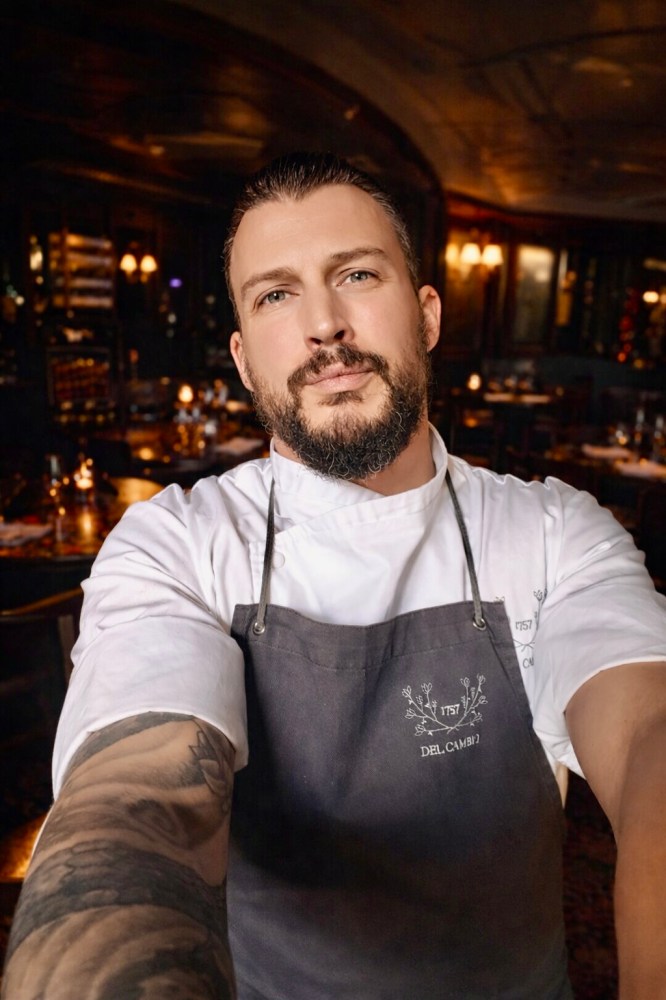
Formed professionally within French culinary discipline and international hospitality environments across Northern Europe, he later became deeply connected to the gastronomic evolution of Turin itself through his years at Farmacia Del Cambio: one of the city’s most historically iconic culinary institutions.
During his years there, Abram contributed to the savory gastronomic identity and creative culinary direction of the space, helping shape an approach that blended refinement with accessibility, historical depth with contemporary energy.
The venue itself later gained international visibility through Stanley Tucci: Searching for Italy, introducing audiences worldwide to Turin’s sophisticated culinary culture.
But long before Turin became “trendy” internationally, the city was already being narrated through taste.
Quietly.
Passionately.
Consistently.
What Is a Culinary Experience, Really?
This is perhaps the most important question.
Because today, many people still confuse boutique gastronomic experiences with traditional guided tourism.
Yet the difference is substantial.
A classic tour generally revolves around explaining monuments, dates, architecture, or historical facts while physically guiding visitors through a city.
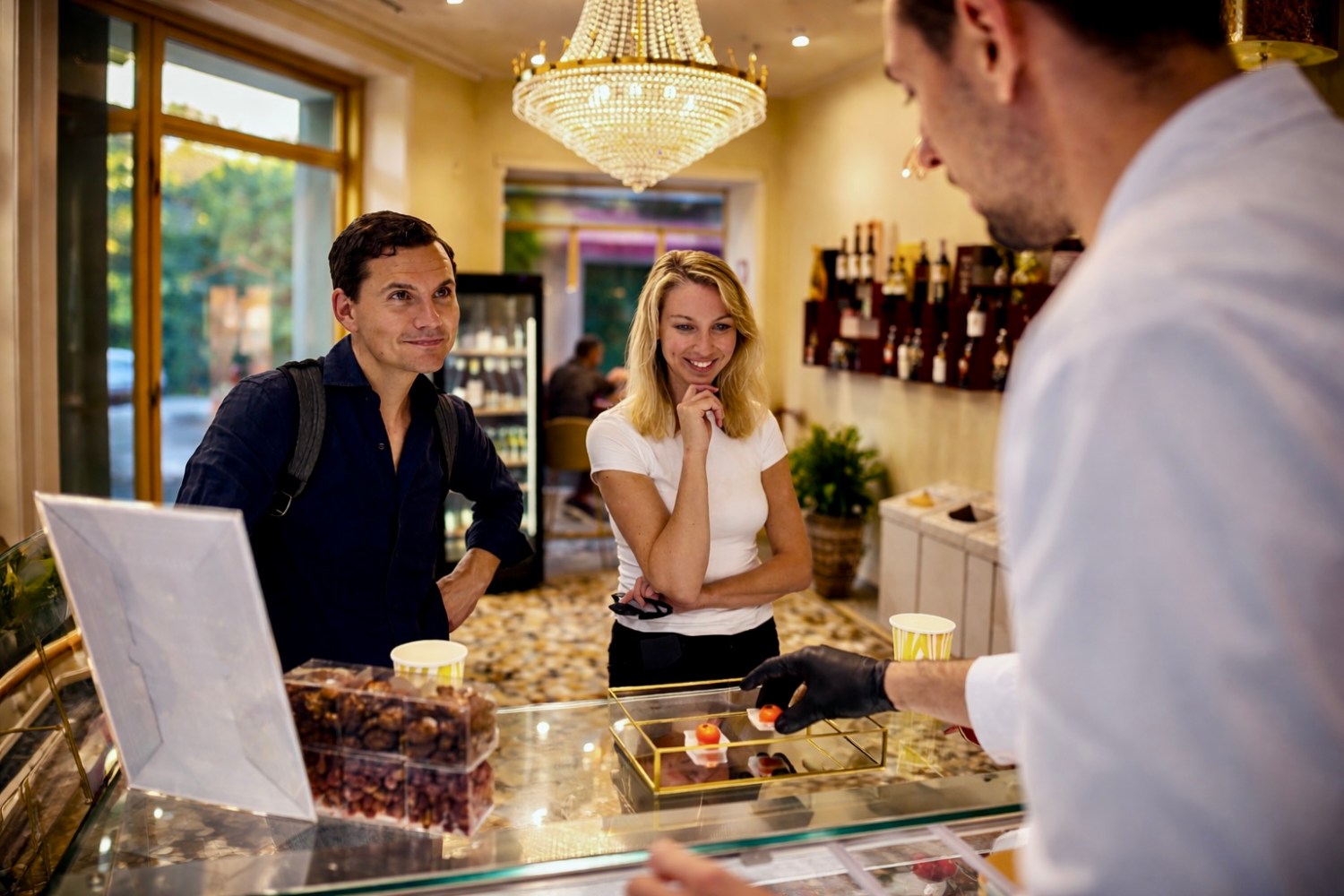
A boutique culinary experience, instead, functions more like a living social ritual.
The city becomes the backdrop.
Food becomes the medium.
Human interaction becomes the experience itself.
The purpose is not simply “to show.”
It is to make people feel connected.
Connected to:
- local culture,
- local people,
- local rhythms,
- local aesthetics,
- and local identity.
In this sense, food becomes anthropology in motion.
Taste as Cultural Narrative
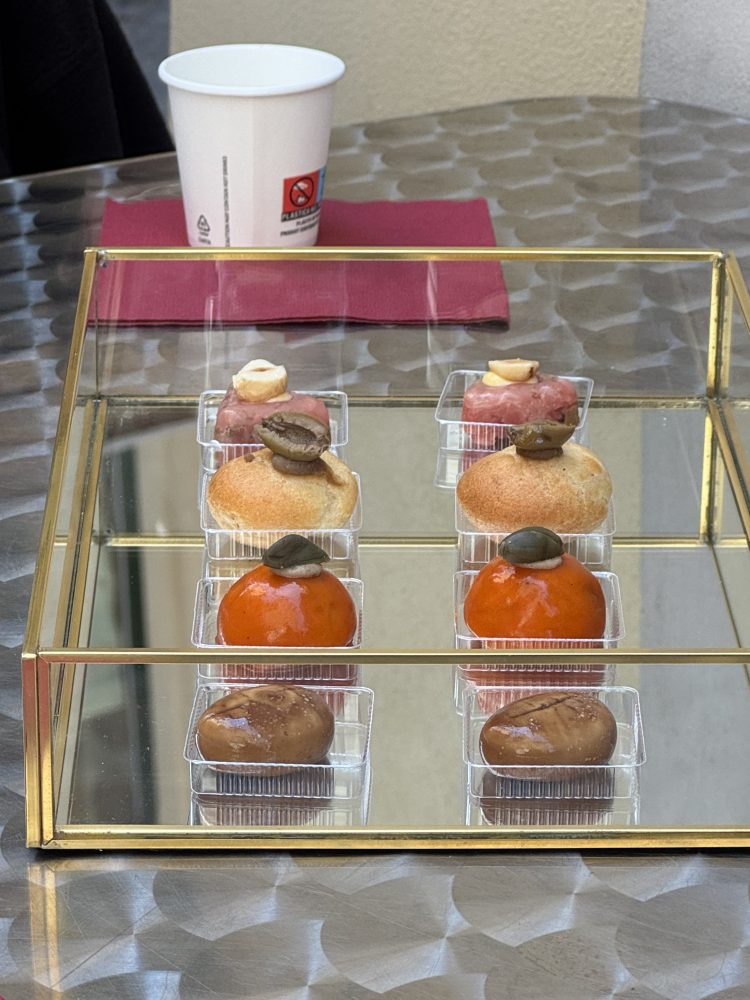
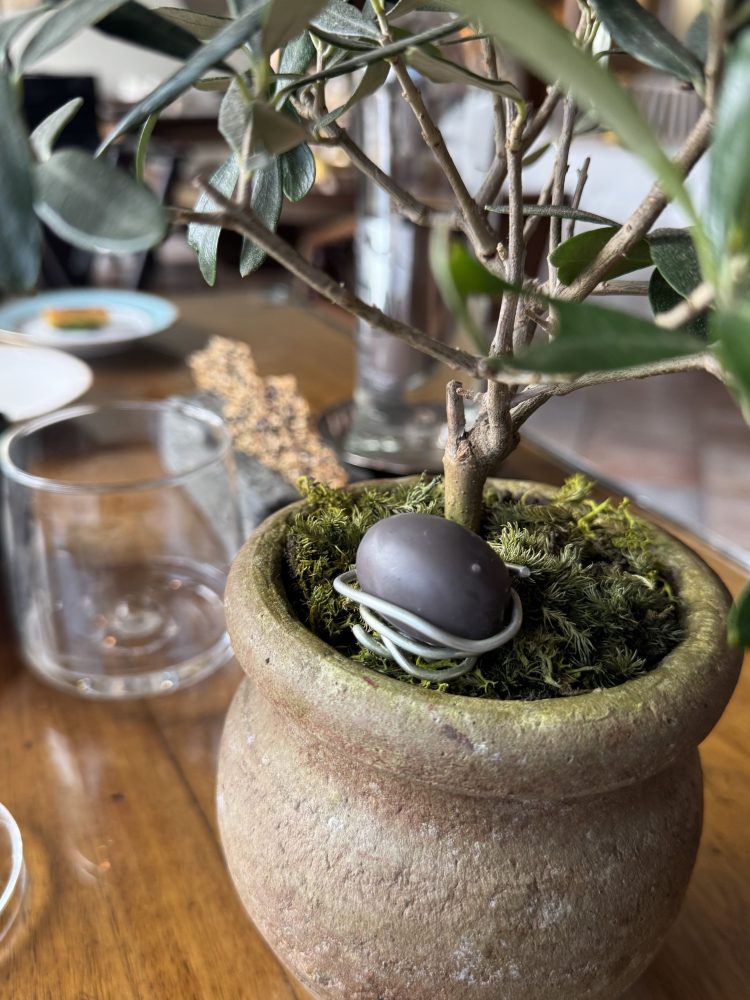
Every carefully selected tasting carries meaning.
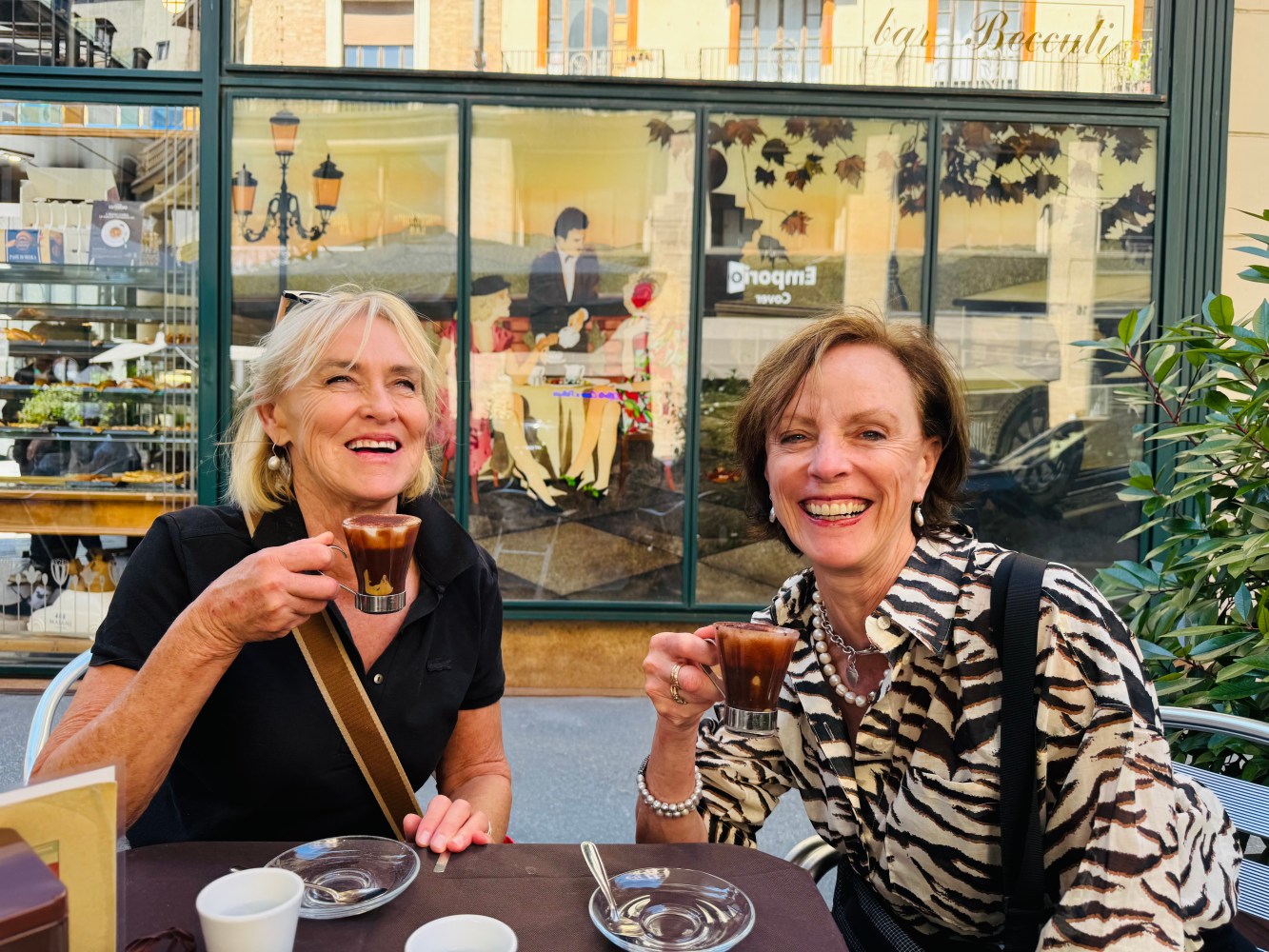
A vermouth inside a historic café is not simply alcohol.
It is a story about Turin’s aristocratic past.
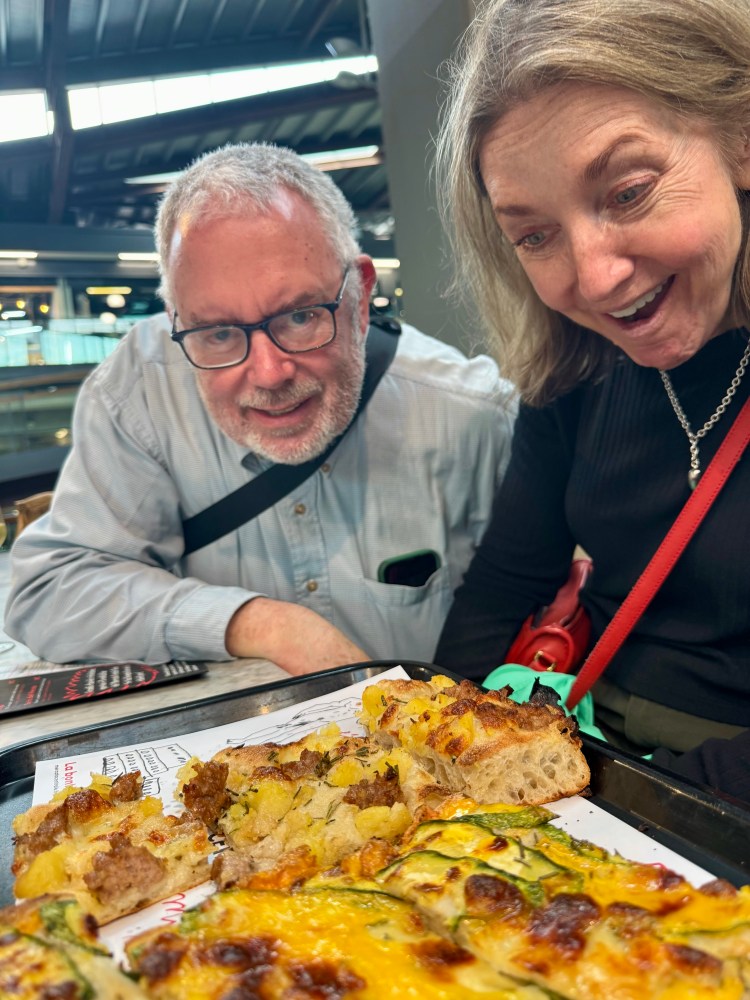
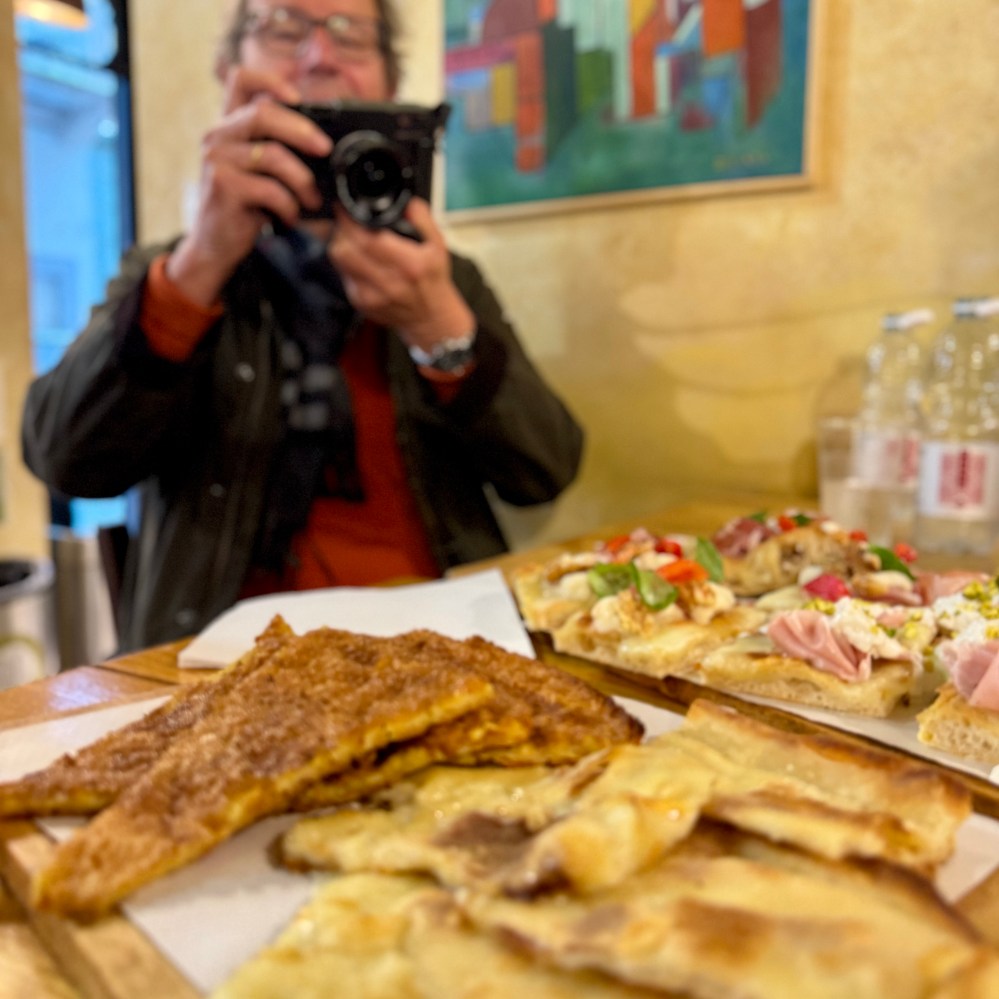
A bite of warm focaccia eaten standing in the market is not simply street food.
It reflects working-class rituals, migration patterns, urban rhythms, and regional memory.
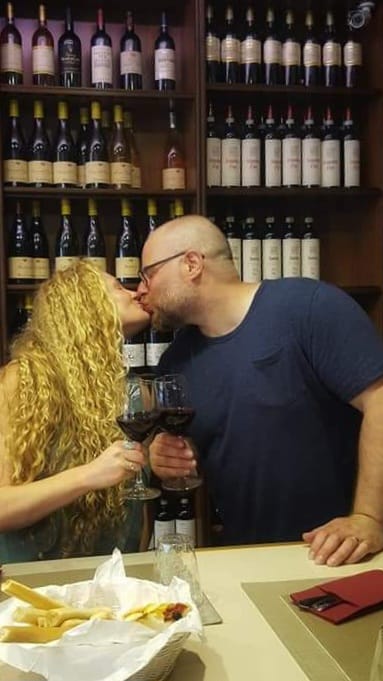
A glass of Barbera shared slowly inside a tiny wine bar says something about the social structure of Piedmont itself:
conversation, pacing, intimacy, reflection.
This is why our experiences are intentionally small.
Usually between 2 and 6 guests.
Occasionally up to 8.
Never mass tourism.
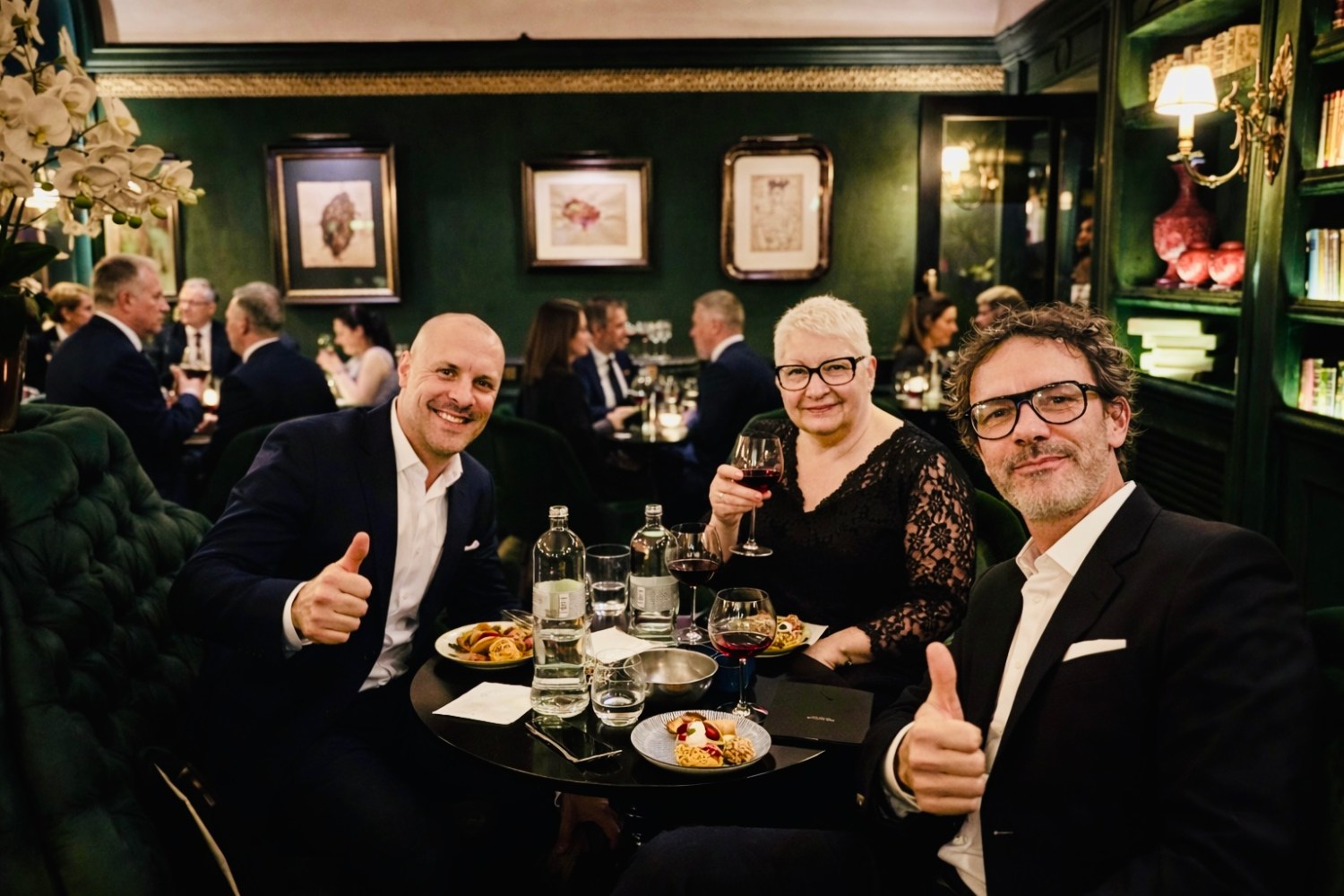
Because intimacy changes perception.
People speak differently.
Observe differently.
Taste differently.
And most importantly:
they remember differently.
Turin Through the Lens of Food
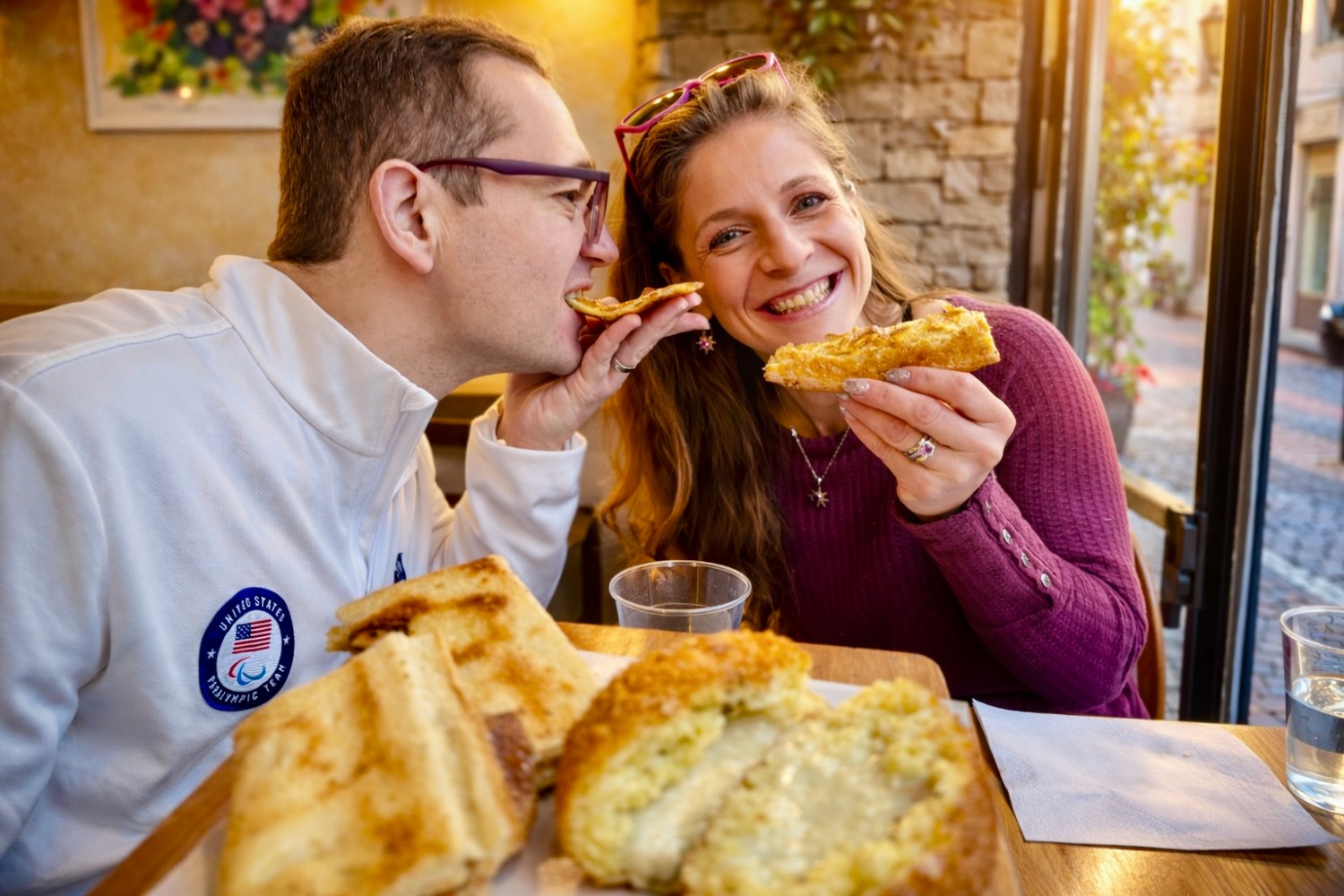
For the past seven years, we have had the privilege of introducing thousands of international guests to Turin through gastronomy.
And something remarkable began happening.
People were not simply enjoying the food.
They were falling in love with the city itself.
Some guests came to Turin only because they discovered our experiences online.
Others returned multiple times, bringing friends and family members specifically to share the experience together.
Some eventually purchased homes in Turin after discovering the city through food culture and human connection.
This reveals something important:
Gastronomy is not secondary to tourism.
It is increasingly one of its strongest cultural engines.
Especially in cities like Turin, where food acts as a gateway into deeper local identity.
The Economic and Cultural Ecosystem Behind Independent Food Experiences
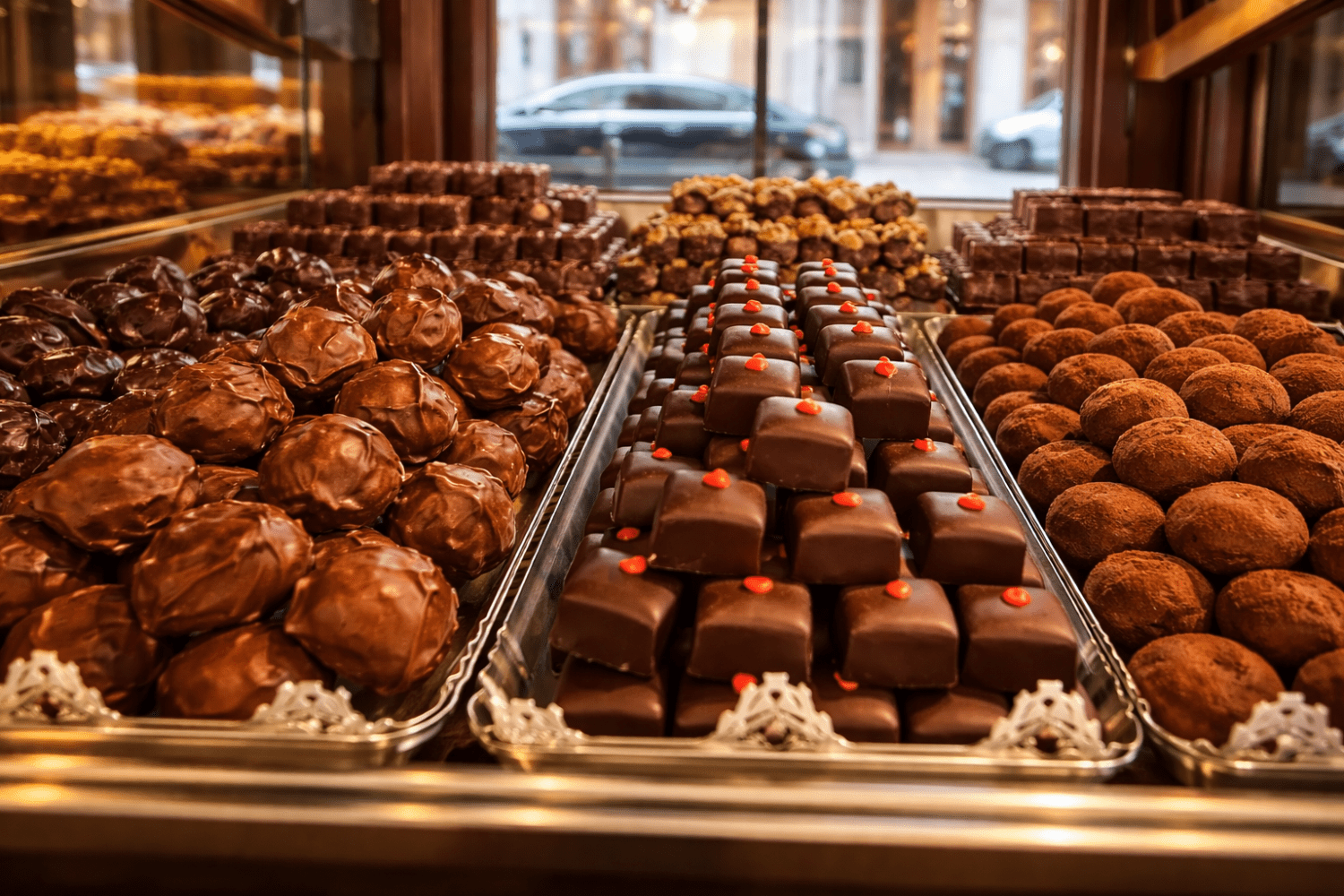
One aspect often overlooked in discussions surrounding food tourism is the broader ecosystem created by independent culinary professionals.
Every experience generates value across multiple layers:
- local wine bars,
- artisans,
- pastry shops,
- market vendors,
- gastronomie,
- historic cafés,
- family-run businesses,
- and small hospitality realities.
Importantly, our model has always remained independent.
We do not bring guests into venues because of commissions or commercial agreements.
We collaborate with places we genuinely admire, support, and believe deserve visibility because of their quality, philosophy, craftsmanship, or cultural importance.
This creates something ethically valuable:
a circular local economy rooted in authenticity rather than transactional tourism.
And perhaps this authenticity is precisely why modern travelers respond so emotionally to these experiences.
The Evolution of Food Tourism
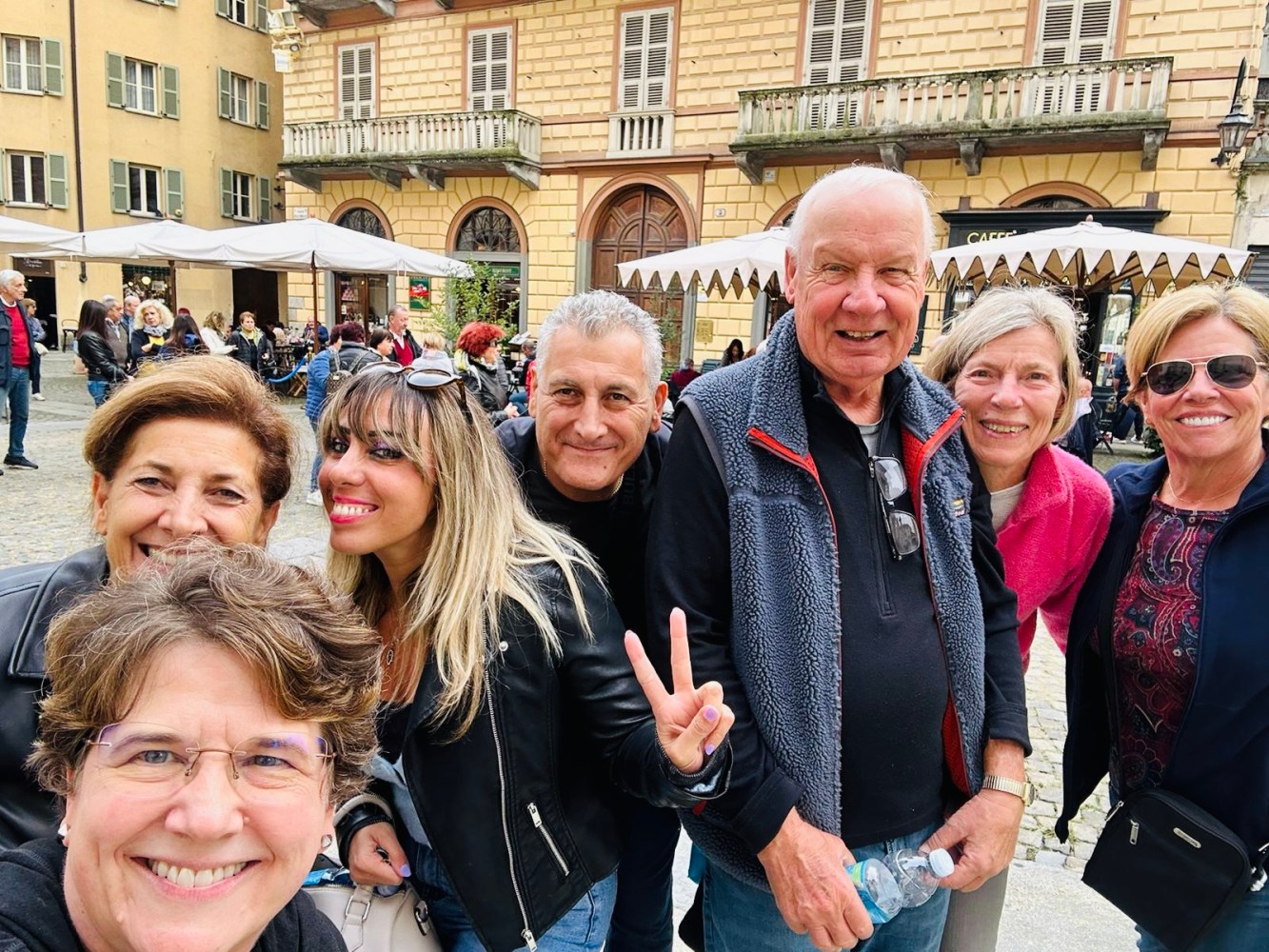
Globally, the concept of food tourism is changing rapidly.
Today’s travelers increasingly search for:
- intimacy over spectacle,
- curation over quantity,
- storytelling over information,
- human connection over performance,
- and authenticity over scripted tourism.
The role of the modern culinary host is therefore also evolving.
It is no longer simply about “guiding.”
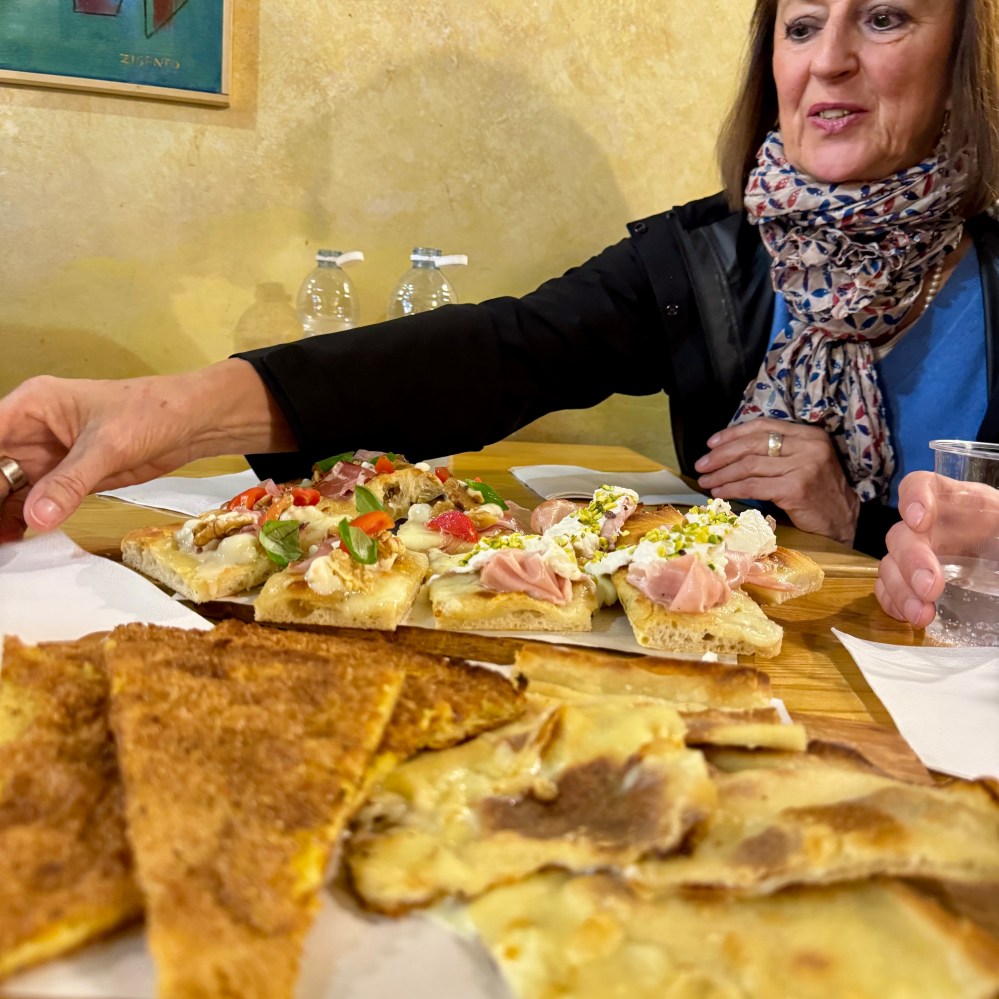
It is about:
- curating atmospheres,
- facilitating cultural encounters,
- translating local identity,
- and designing emotional memory.
This requires sensitivity.
Cultural intelligence.
Hospitality experience.
Narrative ability.
Social awareness.
Creative vision.
In many ways, it becomes an interdisciplinary profession existing between gastronomy, sociology, hospitality, and contemporary cultural storytelling.
A New Form of Cultural Hospitality
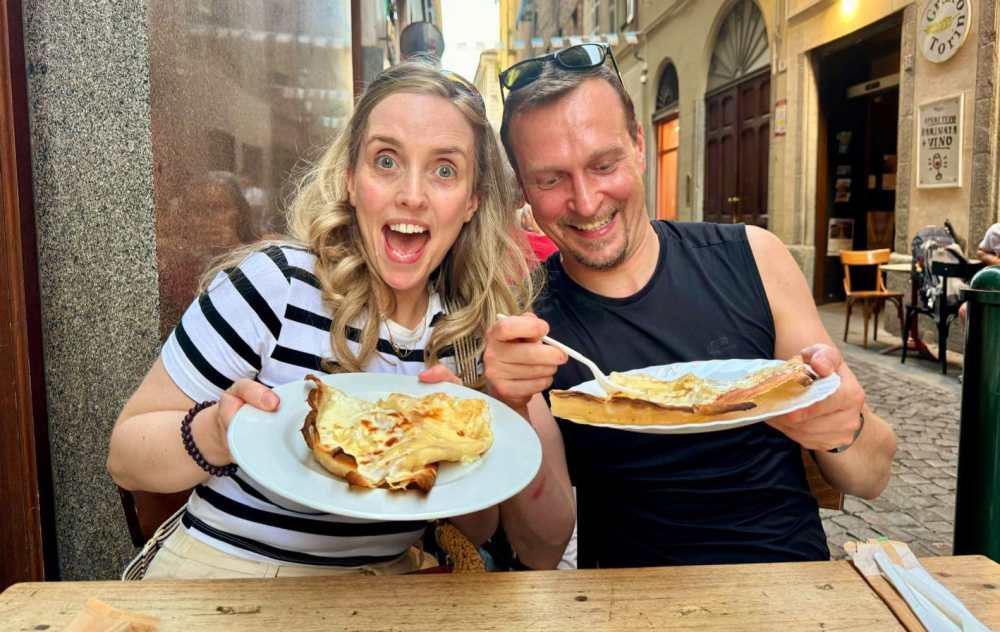
When guests join one of our culinary experiences, they are not simply consuming food.
They are temporarily entering the living social fabric of the city.
They walk slower.
Observe details.
Meet people.
Learn rituals.
Understand pacing.
Taste history through atmosphere.
And perhaps most importantly:
they begin understanding Turin not as tourists, but as temporary insiders.
This transformation cannot be created through mass tourism structures.
It emerges only through intimacy, trust, hospitality, and genuine cultural care.
Seven Years of Building a Different Kind of Tourism in Turin
When we launched the first boutique food experience concept in Turin in 2018, the city’s culinary tourism landscape looked very different.
Over time, food experiences naturally became more present within the city’s tourism ecosystem.
And this is positive.
Because gastronomy deserves recognition as one of Turin’s strongest cultural languages.
But what matters most to us is not simply being “first.”
What matters is having contributed, consistently and passionately, to presenting Turin internationally through a contemporary, human, elegant, and culturally respectful lens.
Not through clichés.
Not through superficial tourism.
But through real hospitality.
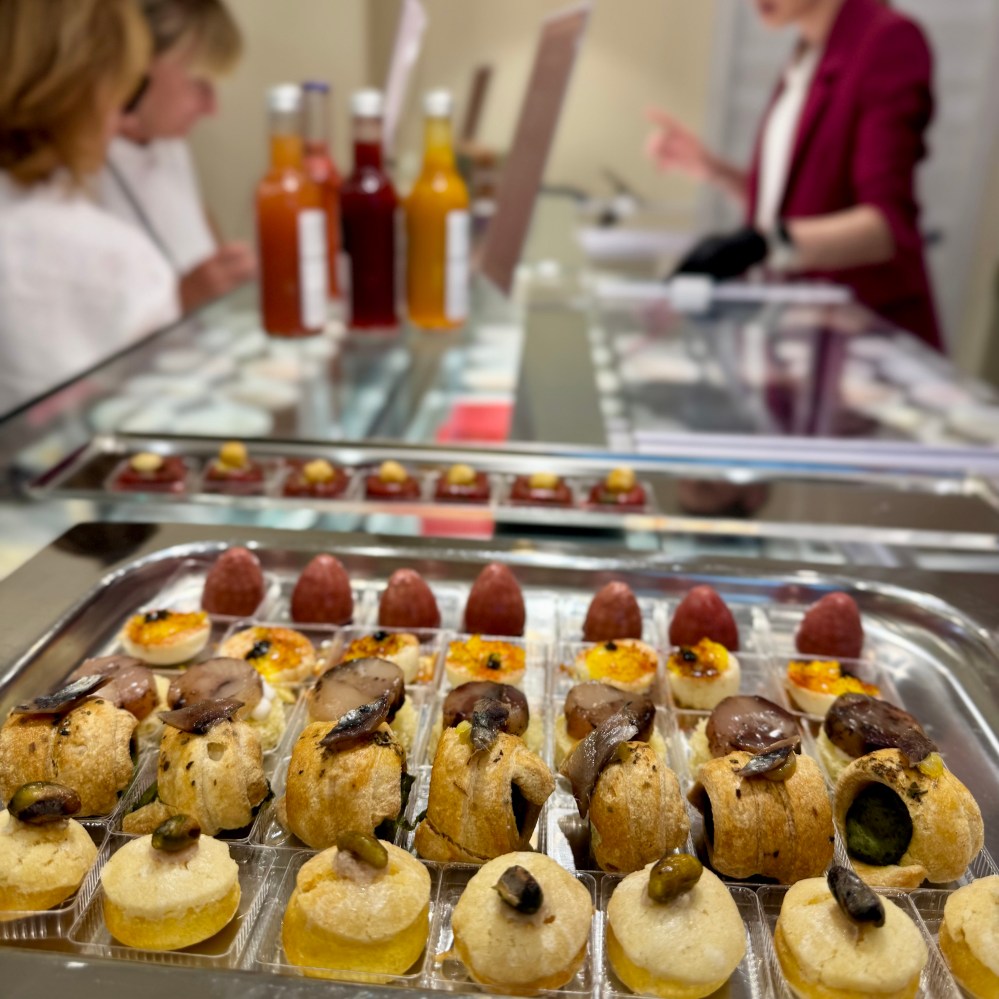
And the hundreds of five-star reviews collected over the years reflect something deeper than customer satisfaction.
They reflect emotional impact.
Beyond Tourism
Perhaps the future of cities like Turin lies exactly here.
Not in becoming louder.
Not in becoming more commercial.
But in becoming more meaningful.
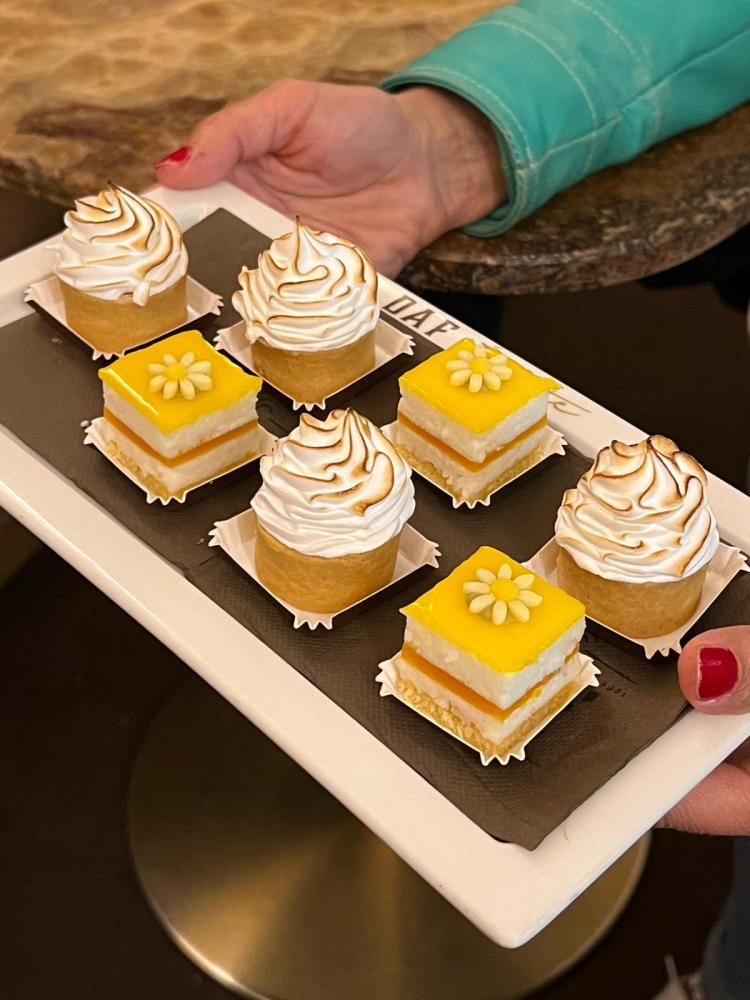
Food experiences, when approached with depth, consciousness, and integrity, are not merely entertainment.
They become cultural bridges.
Between locals and travelers.
Between memory and discovery.
Between tradition and contemporary life.
And ultimately, that is what we believe true hospitality should do.
Not simply feed people.
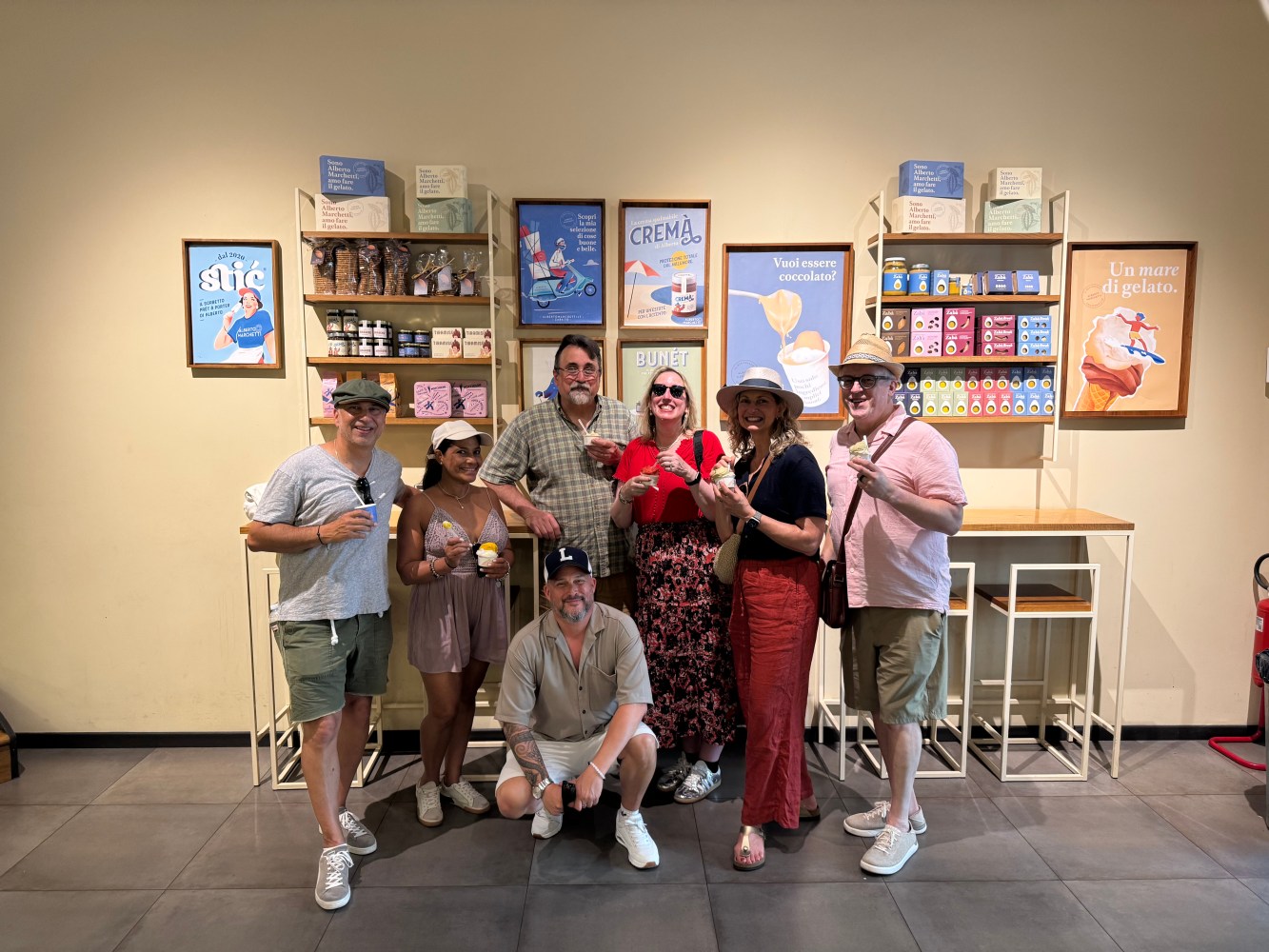
But help them belong , even if only for a few unforgettable hours.
Discover Turin Through Boutique Culinary Experiences
Explore the city through intimate gastronomic experiences curated by Abram Stringa and Cecilia Puca at I EAT Food Adventures.
Private and semi-private culinary adventures designed for travelers seeking authentic connection, hidden local culture, and the true rhythm of Turin.
About the Author
Cecilia Puca
Cecilia Puca is a food sociologist, creative director, and co-founder of I EAT Food Adventures. Her work explores the intersection between gastronomy, human connection, cultural identity, storytelling, and emotional travel experiences. With a background spanning sociology, communication, hospitality, and experiential design, she develops boutique culinary concepts that transform food into a deeper cultural language together with her partner Abram Stringa.
Copyright & Editorial Policy
© 2026 I EAT Food Adventures. All rights reserved.
All written content, storytelling concepts, editorial texts, branding elements, photographs, experience structures, and creative materials published on this website are protected by copyright and intellectual property laws.
Reproduction, redistribution, copying, adaptation, AI scraping, commercial reuse, or publication of any content without prior written permission is strictly prohibited.
Our editorial content is independently created to reflect authentic gastronomic culture, human-centered hospitality, sociological insight, and contemporary experiential travel philosophy connected to Turin and the broader Italian culinary landscape.
We believe in ethical storytelling, independent recommendations, and authentic collaboration with local artisans, producers, cafés, wine bars, and hospitality realities that genuinely reflect the cultural identity of the city.
Some articles may contain references to venues, chefs, markets, or cultural institutions selected independently for their relevance, quality, or storytelling value. Unless explicitly stated, no paid sponsorship influences our editorial voice or experiential philosophy.